
Super El Niño Expected to Bring Warmer, Drier Winter to Eastern Iowa and Western Illinois
A "Super El Niño," characterized by significantly warmer Pacific Ocean temperatures, is expected to influence winter weather in eastern Iowa and western Illinois. Based on past events and current conditions, the forecast for the region points towards warmer-than-normal temperatures and…
 Davenport Rock Island Moline, IA, September 17, 2026 —
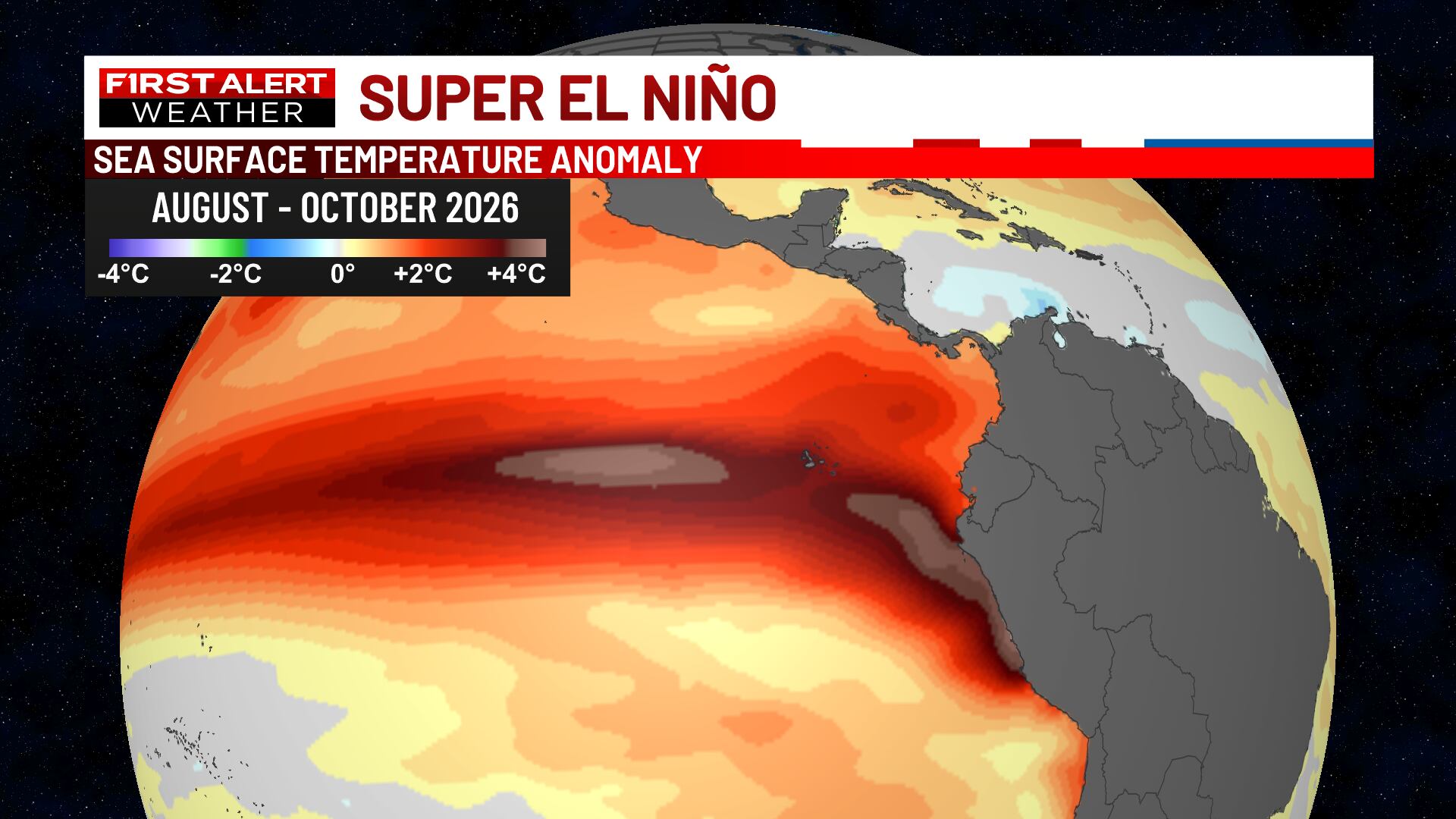
Residents in eastern Iowa and western Illinois may experience a winter characterized by milder temperatures and reduced snowfall, according to meteorological forecasts influenced by a developing “Super El Niño.” This phenomenon is defined by substantially warmer-than-average sea surface temperatures in the Pacific Ocean, which are projected to have a notable impact on weather patterns across North America.
Forecasters analyzing historical data from similar El Niño events and current oceanic and atmospheric conditions suggest a pattern for the upcoming winter season. The outlook indicates a likelihood of temperatures trending warmer than the typical averages experienced in the region. Additionally, predictions point towards snowfall amounts that are expected to be near or below the seasonal norm.
The specific details regarding the duration and intensity of the Super El Niño’s influence are subject to ongoing monitoring. However, the current forecast provides a general expectation for the winter climate in eastern Iowa and western Illinois. The contractor’s name, specific meteorological agencies involved, or exact dates for the onset of these conditions were not provided in the summary.
El Niño is a naturally occurring climate pattern that occurs when unusual heat in the equatorial Pacific Ocean affects weather worldwide. While often associated with increased precipitation in some parts of the United States, its impact on other regions, including the Midwest, can vary. A “Super El Niño” signifies a particularly strong instance of this climate cycle.
Residents and local authorities are advised to stay informed through official weather channels as the season progresses for any updates or changes to the forecast. The information available indicates a shift towards a warmer winter with potentially less snow than typically observed.
Story summarized from the original created by Kyle Kiel on www.kwqc.com, see more information here.
Media gallery
