Iowa State Fire Marshal Warns of Carbon Monoxide Dangers as Winter Nears
The Iowa State Fire Marshal is urging residents across Iowa to take precautions against carbon monoxide poisoning as winter temperatures approach, providing safety recommendations for home heating, alarms, and generators.

 Davenport Rock Island Moline, IA, November 5, 2026 — As winter temperatures loom, the Iowa State Fire Marshal’s Office is issuing a critical reminder to residents across the state to take proactive measures against the dangers of carbon monoxide (CO) poisoning. The office is providing safety recommendations focused on crucial areas including home heating systems, carbon monoxide alarms, and the use of generators.
Carbon monoxide is an odorless, colorless gas that can be deadly. It is produced by the burning of fuels such as natural gas, propane, oil, kerosene, wood, and charcoal. Common sources in homes include furnaces, water heaters, stoves, fireplaces, and vehicles or portable generators running in or near an attached garage.
The Iowa State Fire Marshal is emphasizing the importance of regular maintenance for home heating equipment. Furnaces, boilers, and other fuel-burning appliances should be inspected annually by a qualified technician to ensure they are operating safely and efficiently, and that no dangerous leaks are present.
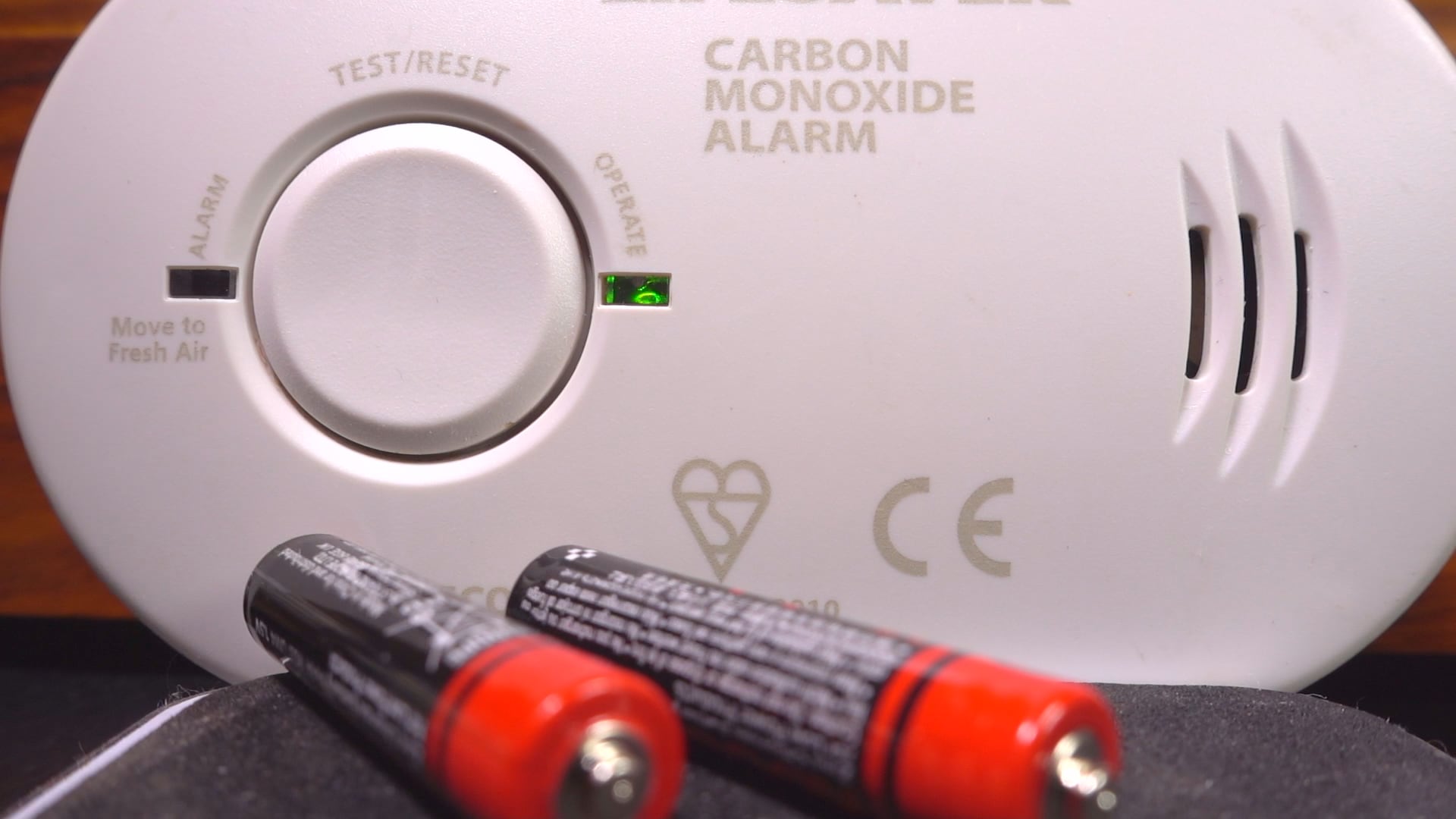
Crucially, the Fire Marshal’s office is reminding Iowans about the necessity of working carbon monoxide alarms. These devices are designed to detect the presence of CO gas and alert occupants to a potential hazard. Recommendations include installing CO alarms on every level of the home and outside sleeping areas, and testing them monthly. Alarms should be replaced according to manufacturer instructions, typically every five to seven years.
For those who use portable generators, especially during power outages, the Fire Marshal is urging extreme caution. Generators should always be operated outdoors in a well-ventilated area, at least 20 feet away from the home, and never inside a garage, basement, or enclosed space. Exhaust from generators contains high levels of carbon monoxide and can quickly accumulate to dangerous concentrations indoors.
The Fire Marshal’s office encourages all residents to familiarize themselves with the symptoms of CO poisoning, which can include headache, dizziness, nausea, vomiting, and confusion. If CO poisoning is suspected, residents are advised to immediately move to fresh air and call 911.
Story summarized from the original created by KCRG Staff on www.kwqc.com, see more information here.
Media gallery